
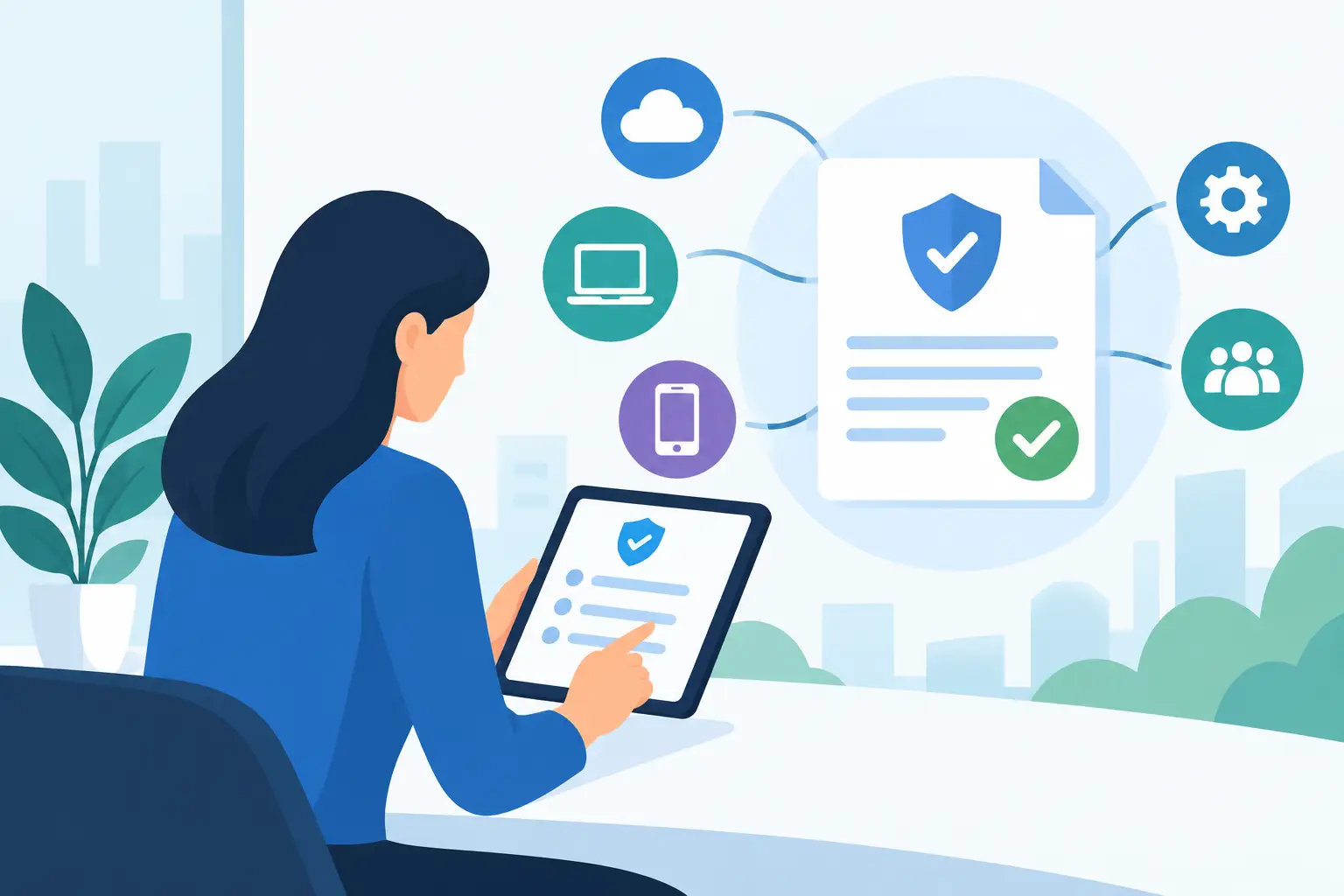
A missed message on an online journal can feel much bigger than a missed email. It can mean a payment is delayed, an appointment is rearranged without you noticing, or you are left trying to explain why you did not respond in time. Benefits digitalisation trends are changing how many of us deal with the DWP, councils and other services. Some changes can make life easier. Others can add a new barrier to an already exhausting process.
For disabled people, the question is not whether technology is good or bad. It is whether the system still works when your health fluctuates, you cannot use a screen for long, your internet drops out, you need information in a different format, or simply need a person to listen.
What benefits digitalisation trends look like in real life
Digitalisation is not just filling in a form online. It includes online accounts and journals, text and email reminders, video appointments, digital identity checks, electronic evidence uploads and increasing use of data to check claims. You may be asked to manage changes through a portal, read to-do items online or provide documents by taking photographs on a phone.
Universal Credit is the clearest example for many people. The online journal can be useful because it creates a written record of messages, requests and replies. But it can also place a lot of responsibility on the claimant to log in regularly, understand what has been asked, and respond by a deadline.
Other benefit processes are becoming more digital too, although they do not all work in exactly the same way. Local authorities may move Housing Benefit or Council Tax Reduction forms online. Health assessments may involve telephone or video appointments. Some evidence can be submitted electronically rather than posted. The details depend on the benefit, the provider and where you live.
Where digital systems can genuinely help
There are real benefits when a digital process has been designed with disabled people in mind. You may be able to send a message when making a phone call is difficult, upload evidence without paying for postage, or check what was said rather than relying on memory after a stressful call.
A digital record can be especially useful if you have brain fog, anxiety, fatigue or communication difficulties. If you report a change of circumstances through an account or journal, take a screenshot and keep a note of the date. If you receive a reply, save that too. Written records can make it easier to follow up if something goes wrong.
Online access can also offer more flexibility. Not everyone can get to an office, wait in a queue or manage a fixed appointment time. For some people, being able to deal with one small task from home, at a time that suits their energy, is a genuine improvement.
The key word is choice. A system is helpful when it gives you another route to support, not when it removes every route except a screen.
When digital by default becomes a barrier
A website may be technically accessible and still be difficult to use. Long forms, confusing language, timed log-ins, repeated identity questions and alerts that arrive without enough explanation can all create problems. A person might be perfectly capable of managing their money and understanding their entitlement, but unable to complete a demanding online task during a pain flare, migraine, mental health crisis or period of severe fatigue.
Cost matters too. Not everyone has reliable broadband, enough mobile data, a working printer, a smartphone with a decent camera or a private space to make a video call. Shared devices can be unsafe where someone is experiencing coercive control, financial abuse or a lack of privacy at home.
Then there is the pressure of automation. Digital systems can flag information that does not match other records or prompt a review. That does not mean you have done anything wrong. Data can be incomplete, old or missing the context of a disabled person's life. A flag is not the same as a fair decision, and you still have the right to explain your circumstances and challenge a decision you believe is wrong.
Staying in control of a digital claim
You do not have to become a technology expert to protect yourself. A few steady habits can reduce the risk of a small problem becoming a bigger one.
Build a simple evidence trail
Keep a folder, either on paper or on a device, for benefit letters, screenshots, appointment details and evidence sent. Give files clear names, such as “PIP form sent 12 May” or “UC journal message 3 June”. If you post anything, keep a copy before it goes.
After a phone call, write down the date, time, the name of the person if you have it, and what you understood was agreed. If you can, send a short message through the relevant account confirming the important point. This is not about being difficult. It is about making sure you are not left relying on memory when you are tired or unwell.
Check notifications, but do not rely on them alone
A text or email alert can be useful, but it may not tell you the full detail. Where you have an online account, check the account itself when you are able, particularly if you are expecting a decision, payment or appointment.
If checking often is difficult, choose a realistic routine. It might be once every few days with a support worker, family member or trusted friend nearby. Do not share passwords casually, though. If someone helps you, agree what they are allowed to see and do, and keep control of your own information wherever possible.
Ask for adjustments early
If an online process is not accessible for you, say so as soon as you can. Explain the practical problem, not just the diagnosis. For example: “I cannot reliably read messages on a small screen because of my visual impairment,” or “My cognitive impairment means I need information in short, clear written steps and more time to respond.”
You can ask what alternative contact, communication format or support can be put in place. Depending on the service and your needs, this might involve telephone contact, letters, help with a form, an accessible format, additional time or another way to manage appointments. Ask for any agreed adjustment to be recorded, and keep your own note of it too.
Human contact still matters
No online portal can properly capture every part of a person's situation. A tick box cannot always explain why you missed an appointment after a seizure, why a hospital stay disrupted your messages, or why your condition varies so much from one week to the next.
That is why it helps to prepare a short explanation before you contact a department. Keep it focused on what happened, how it affected your ability to respond or attend, and what you need now. If speaking is difficult, write it down first or ask whether you can provide it in writing.
It is also reasonable to seek support before a deadline if you are overwhelmed. A trusted person, local advice service or peer community can help you read a message, organise evidence or work out the next step. Needing help with a digital system says nothing about your intelligence or honesty. It means the system has not yet met you where you are.
The future should not leave people behind
The best benefits digitalisation trends should make claims clearer, not colder. They should reduce repeat paperwork, give people a useful record and make communication easier. But speed is not the same as fairness. A quicker system that excludes people, misunderstands disability or gives no meaningful way to speak to a human is not progress.
If you are struggling, trust the evidence of your own experience. Make the adjustment request, keep the screenshot, ask the question twice if you need to, and get another pair of eyes on a message that does not make sense. At Talking Really, real talk means making space for those everyday problems, without judgement. You deserve a benefits process that treats access as a right, not a favour.