
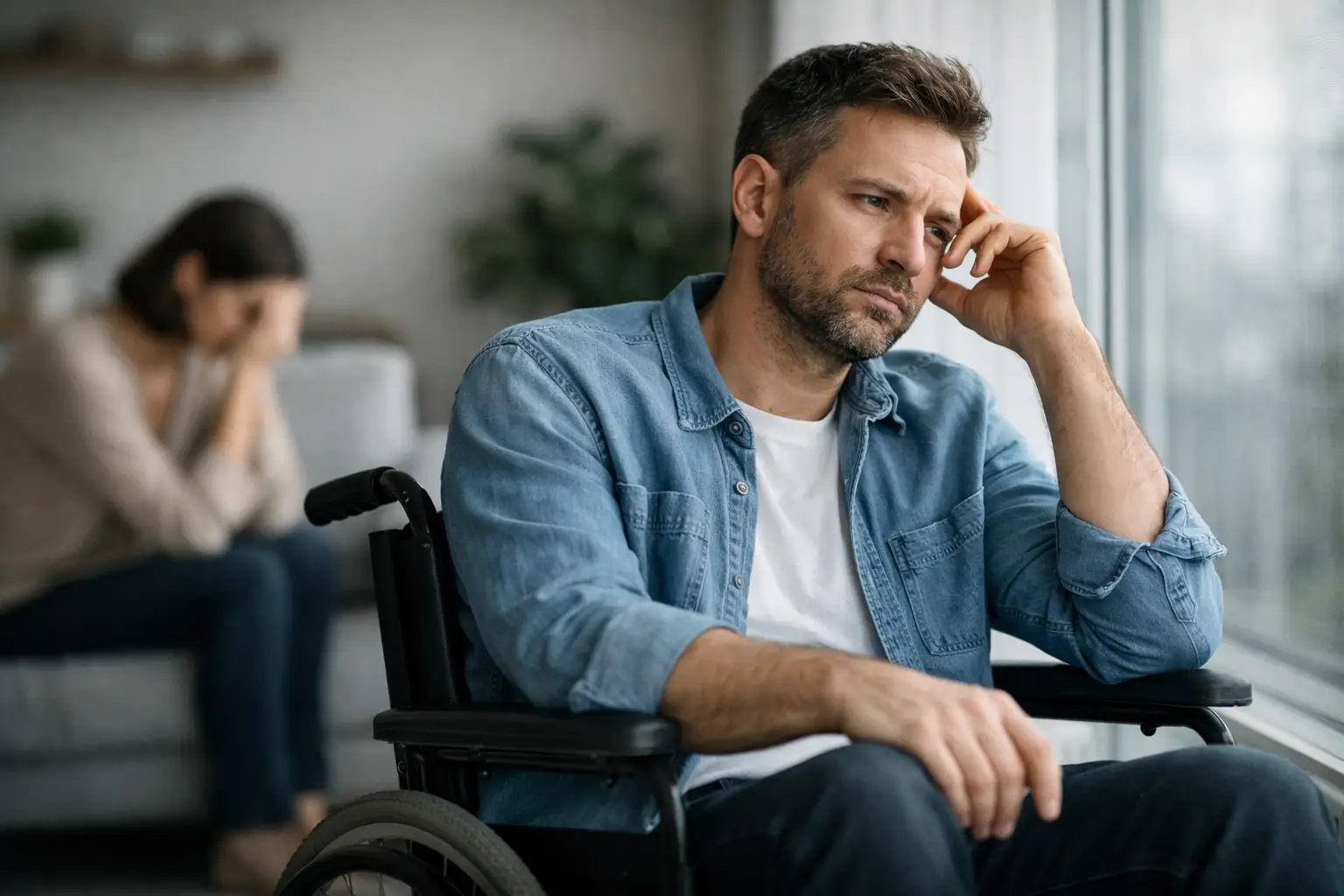
A benefits form that asks the same painful questions again. A bus that arrives with no working ramp. A friend who stops inviting you out because they assume it is too much effort. These moments can build up. So, can disability affect mental health? Yes - not because disabled people are inherently less resilient, but because the world often makes everyday life harder than it needs to be.
Mental health is about more than whether someone has a diagnosis. It includes how we cope, how connected we feel, our confidence, sleep, mood and sense of safety. Disability can interact with all of these in different ways. There is no single experience, and there is no right way to feel about it.
How disability can affect mental health
Living with a disability, long-term condition or impairment may bring pain, fatigue, uncertainty, changing symptoms or practical limitations. Any of those can affect mood. But many of the biggest pressures do not come directly from a person’s condition. They come from inaccessible services, financial worry, other people’s attitudes and the constant work of having to explain yourself.
For example, someone may spend weeks preparing evidence for a Work Capability Assessment or challenging a benefits decision. The anxiety is not simply about paperwork. It is about whether rent, food, heating and independence will be secure. Being disbelieved or treated as though you are exaggerating can leave a real emotional mark.
Social isolation matters too. It can be harder to get out, keep up with plans, find accessible venues or afford travel. Some people lose contact with friends after becoming disabled. Others are surrounded by people yet still feel alone because nobody fully understands the effort behind ordinary tasks. Isolation can increase the risk of low mood, anxiety and depression.
The emotional load of adapting
A new diagnosis, injury or change in condition can involve grief. You may be grieving a job you loved, a routine, physical comfort, privacy or the version of the future you expected. This does not mean you are ungrateful for what you still have. It means something meaningful has changed.
For people with fluctuating conditions, the uncertainty itself can be exhausting. On a better day, you may wonder whether you should push through and do everything. On a worse day, you may feel guilty for cancelling plans or needing help. That constant negotiation uses energy that others may never see.
There can also be pressure to stay positive. Positivity can be useful when it is genuine, but being told to be inspirational, brave or cheerful all the time can shut down honest conversation. Anger, sadness, frustration and fear are not failures. They are often understandable responses to difficult circumstances.
When disability and mental health go both ways
The relationship is not one-directional. Mental health conditions can themselves be disabling, affecting concentration, motivation, memory, sleep, relationships and the ability to manage daily tasks. Someone may also have a physical impairment alongside anxiety, depression, trauma or another mental health condition.
Physical symptoms and mental health can affect each other. Persistent pain can disturb sleep and reduce social contact, which may worsen anxiety or low mood. Severe stress can make pain, fatigue or other symptoms harder to manage. That does not mean symptoms are “all in your head”. It means body and mind are connected, and support should take both seriously.
It also depends on a person’s circumstances. A disabled person with stable income, practical support, accessible housing and understanding people around them may have very different pressures from someone facing poverty, discrimination or an unsafe home. The issue is not disability alone. It is whether a person has the support, respect and access they need to live well.
Signs that you might need more support
Mental health struggles do not always look dramatic. Sometimes they appear as withdrawing from people, feeling constantly on edge, losing interest in things you usually enjoy or finding every small task overwhelming. You might be sleeping far more or far less than usual, struggling to eat regularly, feeling hopeless, or relying on alcohol, medication or other coping methods in ways that worry you.
It can help to notice patterns rather than judge yourself for them. Ask: has this been going on for more than a couple of weeks? Is it stopping me from managing day-to-day life? Do I feel less safe or more alone than usual? You do not have to wait until you are at breaking point to ask for help.
If you are having thoughts of harming yourself, feel unable to keep yourself safe, or believe someone else is in immediate danger, call 999 or go to A&E. If the risk is urgent but not immediate, contact your GP, local urgent mental health service or NHS 111 where available. Reaching out is not making a fuss. It is a practical step towards getting through a difficult moment.
Practical ways to protect your wellbeing
There is no magic fix, especially when the problems are structural or financial. You cannot self-care your way out of an inaccessible system. Still, small practical supports can reduce the load and create a little more breathing room.
Start by making things easier where you can. This might mean asking a trusted person to sit with you while you make a phone call, breaking a form into short sessions, using reminders for appointments, or planning rest before and after an important task. Pacing is not giving up. It is using your energy with care.
Try to keep at least one connection open. That could be a friend, family member, neighbour, peer group, online community or support worker. You do not need to explain your whole life every time. Even sending a simple message saying, “I’m having a hard week and could use a chat,” can make isolation feel less absolute.
It may also help to write down what affects your mood. Include practical triggers such as pain levels, poor sleep, difficult calls, benefit appointments, inaccessible journeys or conflict at home. Over time, you may spot patterns. This can help you plan, explain your needs to a professional, or recognise that a rough day has a reason.
Ask for adjustments, not permission
When healthcare, therapy or support services are difficult to access, ask what adjustments they can offer. You might need a longer appointment, remote contact, written information in a different format, breaks during an assessment, an interpreter, a quiet waiting area or someone with you for support.
A service may not get it right immediately, but you are allowed to say what makes access possible for you. Mental health support is not truly available if you cannot physically reach it, understand the process or get through the door without being overwhelmed.
Talking to your GP or mental health professional
Many people worry they will not be taken seriously, particularly if they have previously had symptoms dismissed. Preparing a few notes can make the conversation less daunting. Say what has changed, how long it has been happening, how it affects daily life, and what support you think might help.
You can be clear about the interaction between your disability and mental health. For instance: “My pain is stopping me sleeping, and I am becoming increasingly anxious,” or “The benefits process is making my depression worse and I cannot manage the calls alone.” Specific examples help paint a fuller picture.
Treatment might include talking therapy, medication, social prescribing, peer support or a review of your wider care needs. Not every option suits every person. If a suggested approach is inaccessible, unaffordable to travel to, or based on assumptions about your condition, say so. A good plan should fit your life, not ask you to pretend your barriers do not exist.
You deserve support without having to prove your worth
Disabled people are often expected to be endlessly resourceful: chase services, repeat their history, manage symptoms and reassure everyone else. It is tiring. Needing mental health support does not make you weak, difficult or less capable. It means you are dealing with something real.
At Talking Really, real talk means making room for the parts of disability that do not fit neatly on a form: the worry, loneliness, anger and small victories. If things feel heavy, tell someone you trust. You deserve practical help, a non-judgemental ear and a life with more than just getting through the day.