
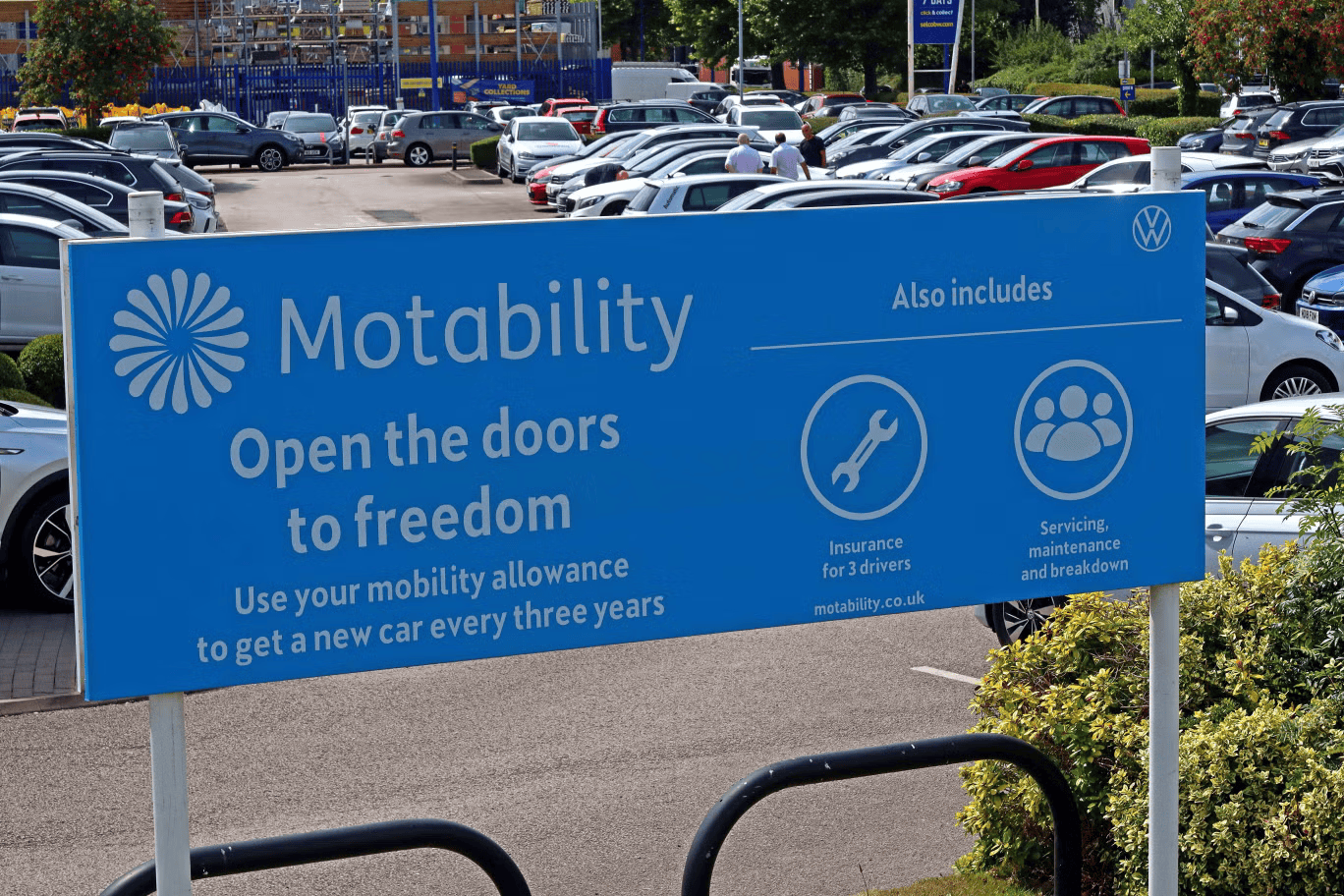
For many disabled people in the UK, a Motability vehicle is not just a convenience, but a lifeline to independence. That's why news of a recent Financial Ombudsman ruling against Motability Operations, highlighting poor customer service and a lack of empathy, is particularly significant for our community.
A 'Good Samaritan' Act Leads to '31 Days of Hell'
The case centres around a disabled driver, known only as Mr H, who found himself in an unimaginable situation. After selflessly driving an attack victim to hospital, his Motability vehicle was seized by police for forensic investigation. What followed was a distressing series of events that led to Mr H's Motability lease being terminated.
Motability initially ended his agreement, citing 'conflicting information'. Although they reversed this decision a week later when police confirmed Mr H was not suspected of any crime, the ordeal was far from over. Mr H was then faced with an £800 cleaning bill for the vehicle and was provided with a hire car he described as having a strong smell that caused him headaches.
Claim of Discrimination and Unacceptable Stress
Feeling deeply wronged, Mr H lodged a formal complaint with the Financial Ombudsman, seeking £35,000 in compensation. He argued that Motability had caused him 'severe stress' and accused them of 'discriminating against him as a disabled person acting as a “Good Samaritan”'. He described the period as '31 days of hell'.
Ombudsman's Verdict: Poor Service and Lack of Empathy
While the Ombudsman, Hannah Dunkley, did not uphold Mr H's demand for £35,000, she did order Motability to pay him £400 in compensation. This award was specifically 'to reflect poor customer service and support'.
Crucially, Ms Dunkley highlighted several failings on Motability's part:
- Lack of Mental Wellbeing Support: She noted that Mr H had expressed concerns about his mental wellbeing in emails to Motability, yet the company 'let Mr H down' by not reaching out to check on his safety or providing details of support services.
- Failure to Consider Unique Circumstances: Although Motability was technically within its terms and conditions to end a contract if a car was seized by police, the Ombudsman stated they 'ought to have considered whether it was fair to continue with the termination process given the uncertainty about the situation'. She emphasised that the 'circumstances in this particular complaint were unique and highly sensitive, so I think Motability needed to step away from normal processes and consider whether it needed more information before starting the termination process.'
What This Means for Disabled Motability Users
This ruling carries significant implications for the 860,000 disabled individuals in the UK who rely on the Motability Scheme, which is available to those receiving qualifying mobility allowances like Personal Independence Payment (PIP) or Disability Living Allowance (DLA).
- Your Mental Wellbeing Matters: The Ombudsman's criticism underscores the expectation that companies, especially those providing essential services to vulnerable communities, should take expressions of distress seriously and offer appropriate support or signposting. If you are a Motability user experiencing mental health challenges due to issues with your vehicle or service, this case suggests your concerns should be acknowledged and addressed.
- Fairness Beyond the Small Print: While terms and conditions are important, this decision highlights that providers like Motability are expected to apply them with a degree of fairness, empathy, and flexibility in unique and sensitive situations. This could empower other disabled individuals to challenge decisions that feel unjust, even if technically within the rules.
- The Right to Complain: Mr H's perseverance in taking his complaint to the Financial Ombudsman demonstrates the power of formal complaints. If you feel you've received poor service or an unfair decision from Motability, remember you have the right to escalate your concerns.
Motability's Response
Motability Operations acknowledged the ruling, stating: “We recognise this was a difficult experience for Mr H and we're sorry we didn't handle every aspect of his case as well as we should have. We have a responsibility to protect the scheme and take concerns about misuse seriously. In this case, we acted in line with our terms and conditions based on information from the police.” They added that they quickly arranged for his vehicle to be returned and provided a hire car once Mr H's non-involvement in a criminal investigation was confirmed.
This case serves as a crucial reminder that while schemes like Motability are vital, disabled users deserve not just a service, but a service delivered with compassion, understanding, and a willingness to look beyond standard procedures when unique circumstances arise.